
With a mile-long Main Street lined with antique shops, centuries-old architecture, salt-marsh scenery, and legendary fried clams, Essex, Massachusetts makes for an idyllic North Shore escape. The historic town—often called “America’s Antiques Capital”—offers an extraordinary concentration of dealers, maritime history, and riverfront charm in one compact village.
The postcard-worthy North Shore town sits roughly 30 miles north of Boston, where the Essex River meets an expansive stretch of salt marsh. Antique storefronts line historic Main Street, classic seafood shacks fry up fresh clams, and the legacy of wooden shipbuilding gives the town a distinct sense of place.
Essex may be small, but visitors have flocked here for generations. Its tightly packed antique trade brings collectors and casual browsers to a walkable stretch of Main Street, where shops, restaurants, historic buildings, and river views create an easy day-trip itinerary.
A coastal town with centuries of history
Long before English settlers arrived, the Agawam people used the marshes, islands, and waterways around modern-day Essex for fishing and seasonal food gathering. English settlers came to the area during the 1630s, when Essex belonged to Ipswich and went by the name Chebacco Parish. The community became the independent Town of Essex in 1819.
The Essex River shaped the town’s future. Local shipyards built thousands of wooden vessels along its banks over more than three centuries. Essex earned particular recognition for its two-masted fishing schooners, which powered New England’s commercial fishing industry.
During the town’s shipbuilding peak, Essex supported 15 shipyards. In 1852, those yards built one out of every 28 ships produced in the United States—a remarkable achievement for a small coastal community.
Today, the Essex Historical Society & Shipbuilding Museum preserves the stories, artifacts, and craftsmanship behind that working waterfront. Visitors can explore Essex’s role in developing the American fishing schooner and see how local builders turned riverfront lumber yards into a major maritime industry.
Antiquing in Essex
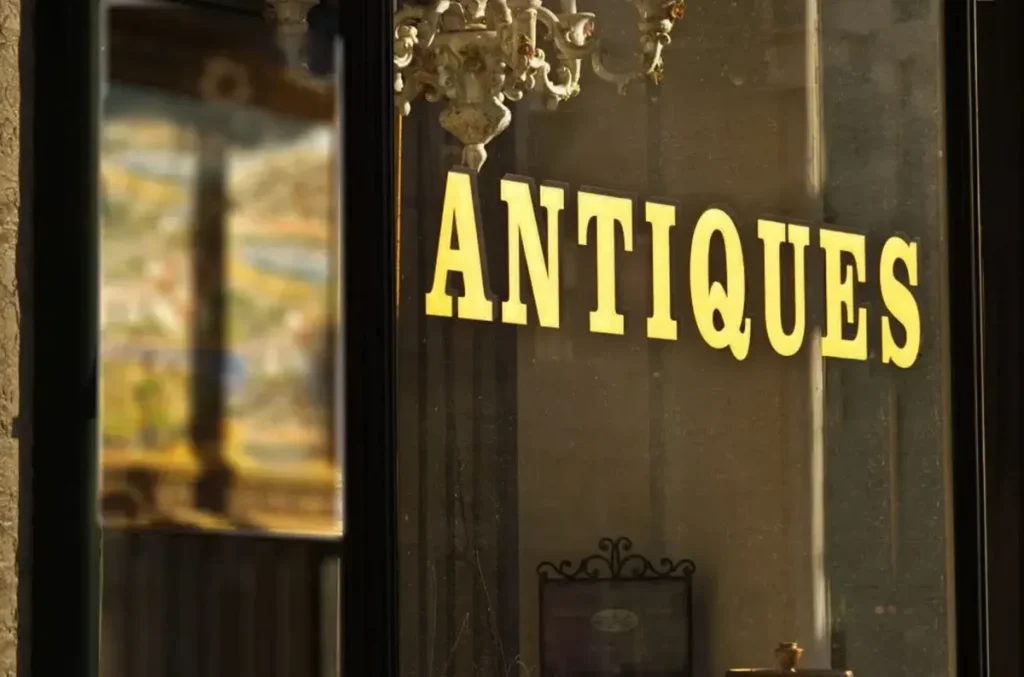
Essex’s main attraction is its abundant antiquing. The town earned the nickname “America’s Antiques Capital” thanks to its dense collection of independent dealers, many clustered along Main Street and nearby roads.
Shopping here feels less like a routine errand and more like a treasure hunt. One shop may specialize in English period furniture; the next may overflow with folk art, vintage lighting, architectural salvage, paintings, ceramics, clocks, maritime objects, or one-of-a-kind collectibles.
A few stops to add to an Essex antiquing itinerary include:
- Perim Lang Antiques, which fills a restored former Methodist Episcopal Church with European, English, and American antiques, lighting, and decorative pieces.
- Andrew Spindler Antiques, a longtime Main Street stop for collectors and browsers.
- A.P.H. Waller & Son, an established dealer with a wide-ranging selection of antiques.
- Howard’s Flying Dragon, an Essex institution known for its sprawling inventory and decades-long presence in town.
- David Neligan Antiques, a Main Street destination for antique furniture, art, and decorative finds.
- Essex Exchange, which blends antiques, vintage goods, and upscale home pieces.
The best approach? Give yourself time to wander. Each shop carries a different personality and inventory, so you never know when you might find a hand-painted maritime sign, an ornate mirror, a weathered farmhouse table, or a rare New England collectible.
For a deeper look at the town’s past, take the Historic Essex Walking Tour. The roughly one-mile route leads visitors through the Essex River Cultural District, with stops that highlight shipbuilding, historic architecture, local stories, and the businesses that helped turn Essex into an antiques destination.
Coastal charm beyond the shops
Antiquing may draw visitors to Essex, but the town’s coastal scenery gives them a reason to stay. The Essex River winds past the village before opening into Essex Bay and the Great Marsh, an immense salt-marsh landscape that has supported local life for centuries.
The marsh once supported farming, fishing, haying, clamming, and boatbuilding. Today, it creates the peaceful, wide-open views that make Essex feel worlds away from Boston’s busy streets.
Spend time on the water with a scenic cruise aboard the Essex River Queen II, or rent a kayak to explore the river at your own pace. The surrounding estuary and marshland offer a quieter version of the Massachusetts coast, with wildlife, tidal views, and a sense of old New England character at every turn.
Don’t leave without fried clams
No visit to Essex feels complete without a seafood stop. The Essex River’s clam flats helped build a long-running local shellfishing culture, and the town remains famous for its connection to the fried clam.
Essex claims the title as the birthplace of the fried clam, and Woodman’s of Essex has served as the town’s most famous destination for the dish since 1914. Order a basket of crispy whole-belly clams, a lobster roll, chowder, or other classic seafood-shack favorites.
After lunch, continue your Main Street stroll and browse a few more shops. In Essex, an antique-hunting excursion can easily become an entire afternoon of maritime history, waterfront views, and classic New England food.
Getting there from Boston
Essex is about one hour from Boston by car, depending on traffic, making it an easy day trip for antique lovers, history buffs, and coastal explorers.
Head north toward the North Shore and plan to spend several hours browsing. Many antique shops operate independently and keep seasonal hours, especially outside summer and fall, so check ahead before you visit.