If you focus in on classical music in Boston, you’ll discover a scene defined by quiet confidence and lasting influence. Less flamboyant than some cultural capitals yet equally formidable, Boston’s classical music tradition is built on precision, discipline, and a deep respect for history. As one of America’s most important classical music cities, Boston doesn’t chase passing trends. Instead, it reinterprets the great works of the past, ensuring they continue to resonate with modern audiences.
What makes classical music in Boston truly exceptional is the seamless blend of education, performance, and innovation. World-renowned institutions such as the Boston Symphony Orchestra and the Handel and Haydn Society shape the city’s global reputation, extending their impact beyond the concert stage through mentorship, community engagement, and artistic leadership. Prestigious conservatories including the New England Conservatory and Berklee College of Music provide rigorous training while encouraging forward-thinking artistry. From the legendary acoustics of Symphony Hall to the intimate elegance of Jordan Hall, and vibrant performance spaces throughout Cambridge and Somerville, classical music in Boston is not only enduring — it is evolving.
Table Of Contents
Classical music venues in Boston
The Symphony Hall
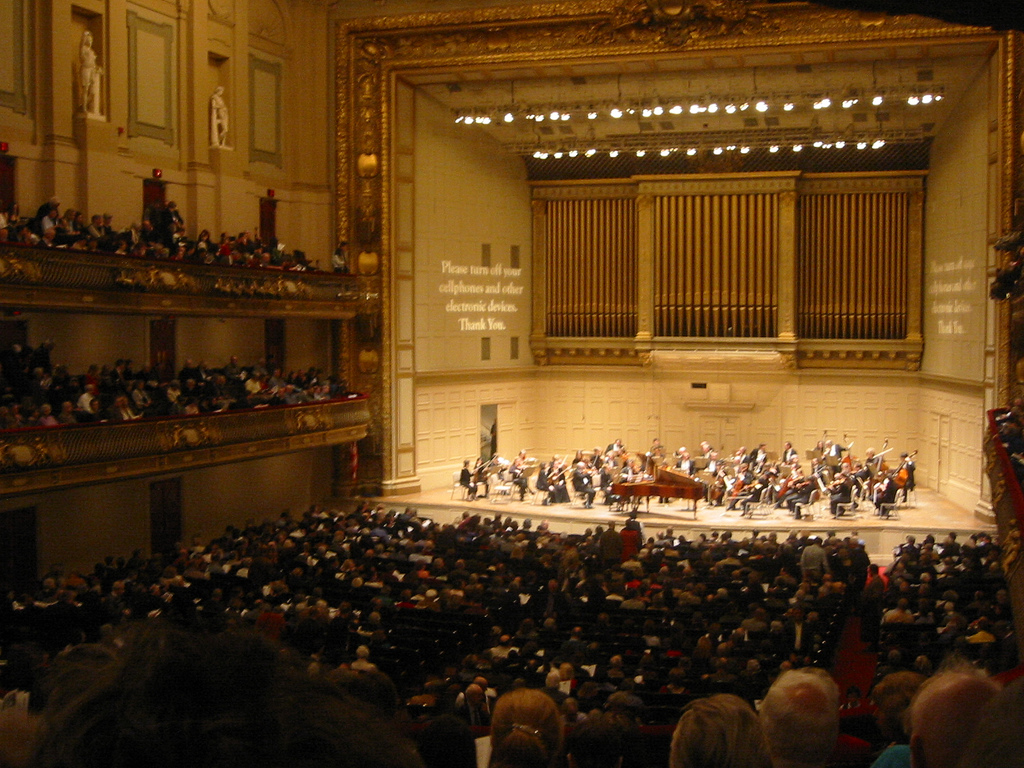
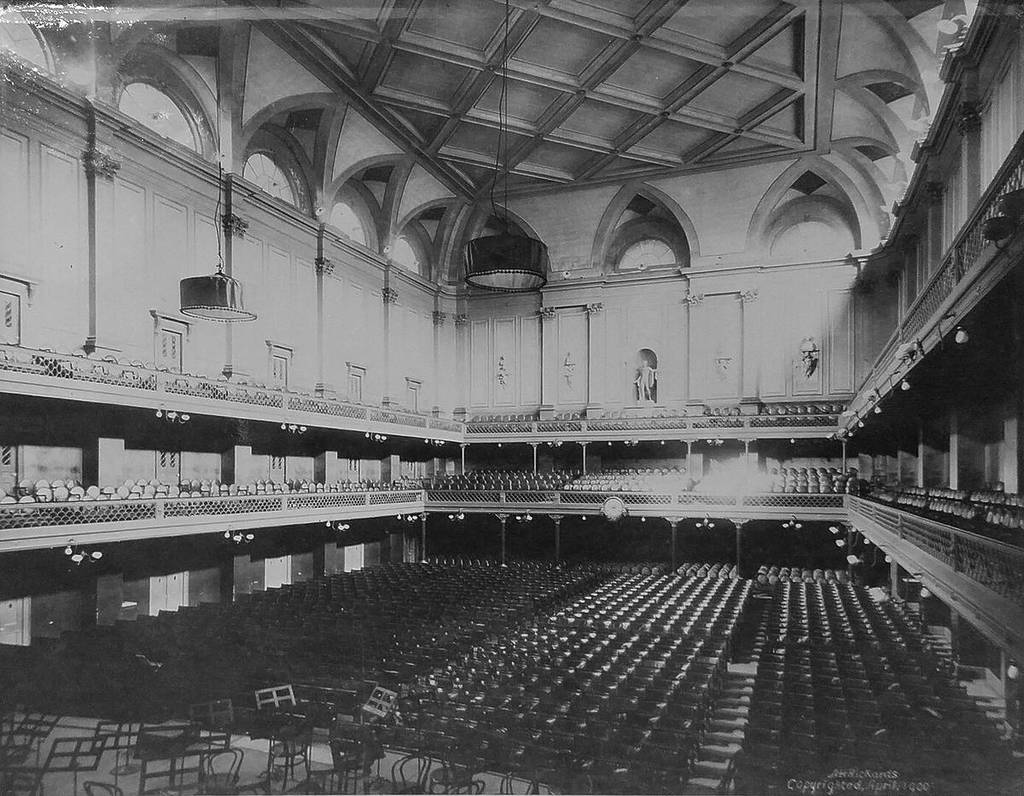
Step inside Boston’s Symphony Hall and you step into one of the most acoustically revered spaces in the world. Opened in 1900 and home to the Boston Symphony Orchestra, the hall is a triumph of both creative expression and design. Inspired by the proportions of Vienna’s Musikverein, its classical architecture was calibrated to carry sound with an extraordinary clarity. The venue hosts mahogany seats, coffered ceilings, and statues of mythical figures along the walls. A venue we can safely consider to have class.
Jordan Hall
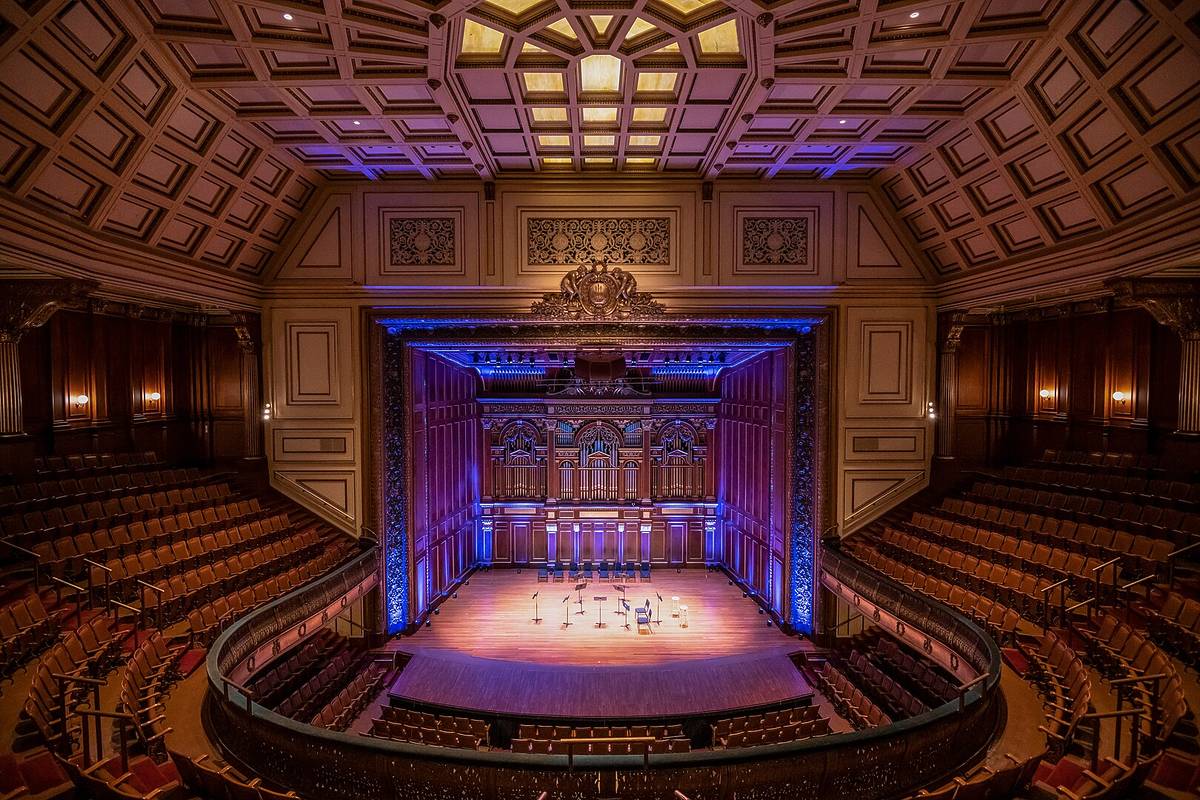
Located within the New England Conservatory, Jordan Hall stands as a gem for chamber music and close-knit performances. The hall has been celebrated for its exceptional acoustics since its open day in 1903, rivaling even the latter, Symphony Hall. Beyond public concerts., Jordan Hall serves as a vital training ground for emerging musicians and finds sense in combining the lingering tradition with the emerging of modern ground breakers.
Tanglewood
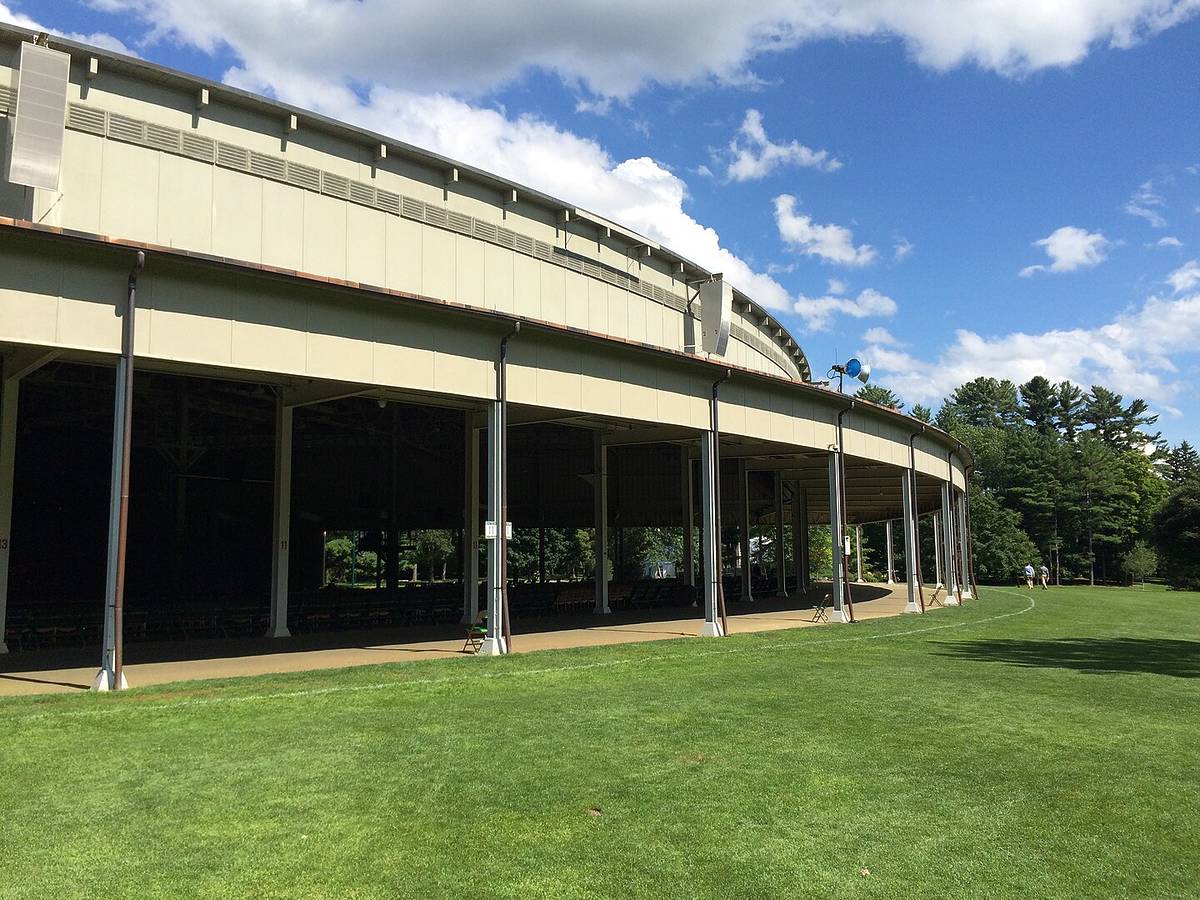
This one is far from the city’s stone and structure. Set in the Berkshire Hills, Tanglewood is like a pilgrimage site for classical music. When summer rolls around, the Boston Symphony Orchestra calls it home as festivals start to bloom. It’s not strictly a venue – more like a cultural landscape. Tanglewood also houses the Tanglewood Music Center, one of the country’s most respected training programs for young composers and future classical musicians.
Orpheum Theater
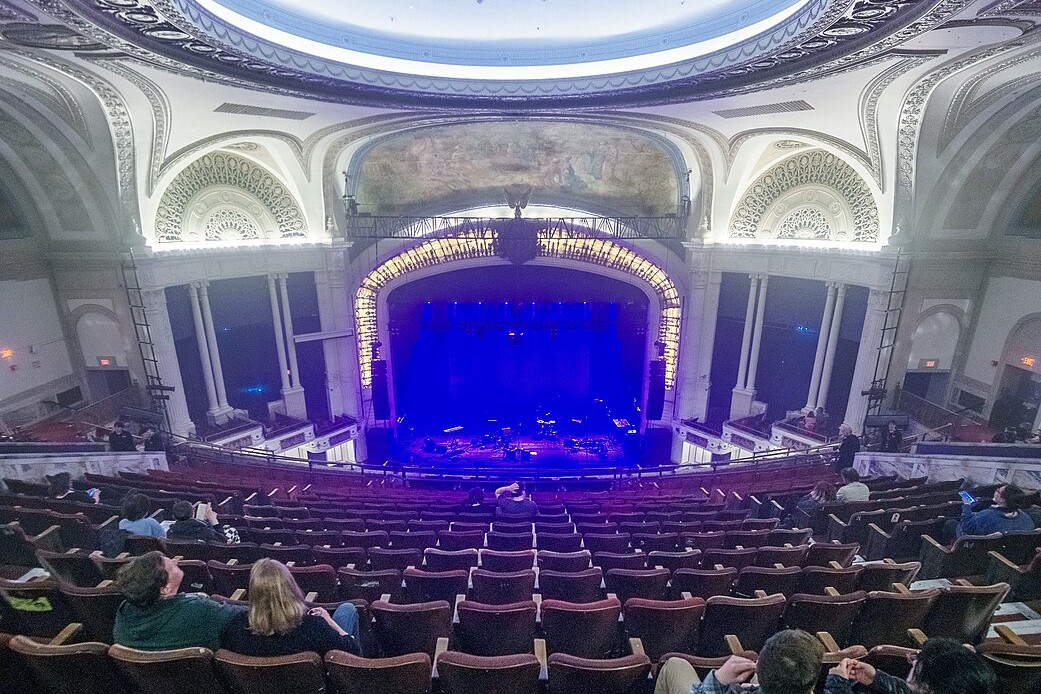
Originally called the Boston Music Hall, the Orpheum Theatre dates back to 1852, making it one of the oldest surviving venues in the U.S. Once home to the Boston Symphony Orchestra, the space was designed with classical acoustics in mind. While the orchestra eventually relocated to Symphony Hall, the Orpheum never stayed quiet. It opened up to rock bands, folk legends, and modern acts, preserving its historic charm even as its sound evolved.
Sanders Theater
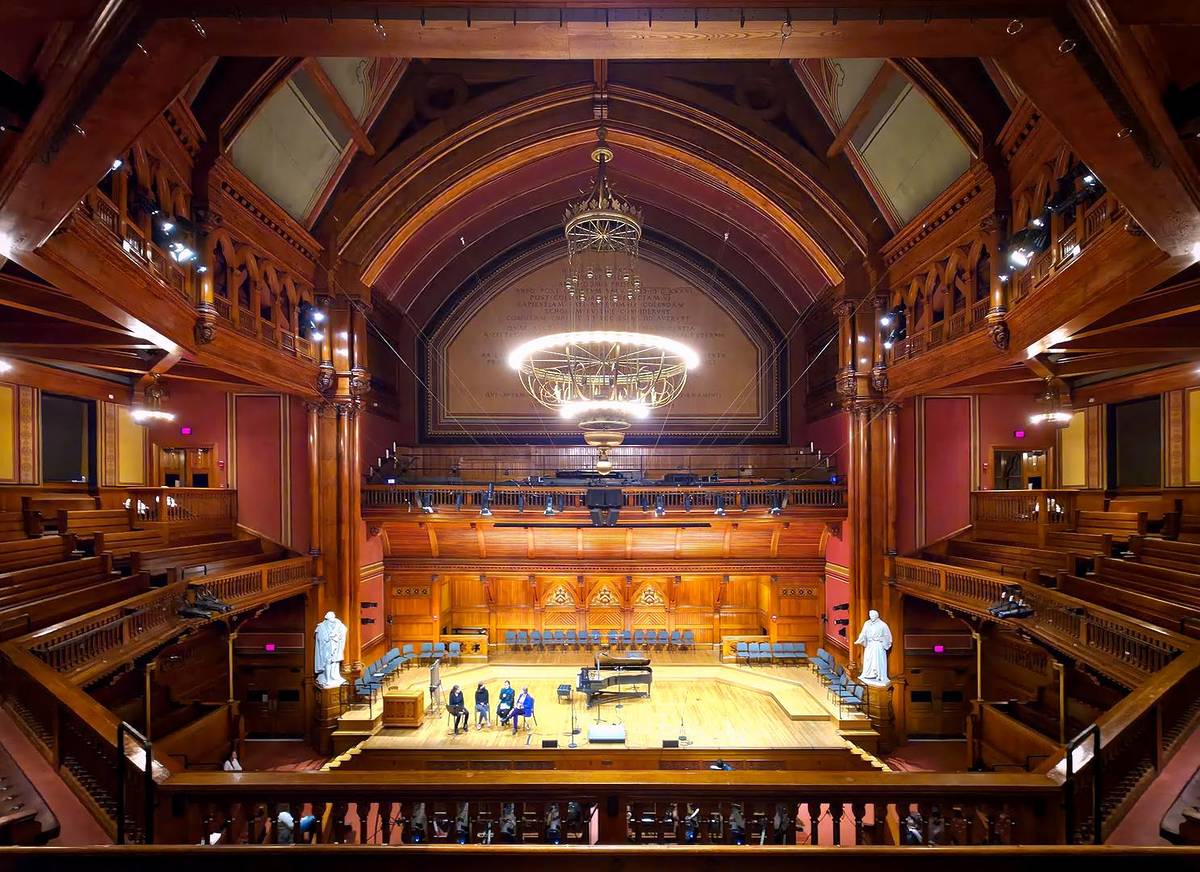
Tucked within the ivy embrace of Harvard University, Sanders Theater feels less like a concert hall and more like a cathedral of sound where scholarship and artistry blend together. Built in 1875, its Gothic Revival architecture stands out amongst the rest. Though not originally designed for music, its acoustics quickly made it a favorite for chamber performances. Its semicircular seating pulls the audience straight into the story of the music, making it a go-to for intimate, small ensemble concerts.
Simons Theater
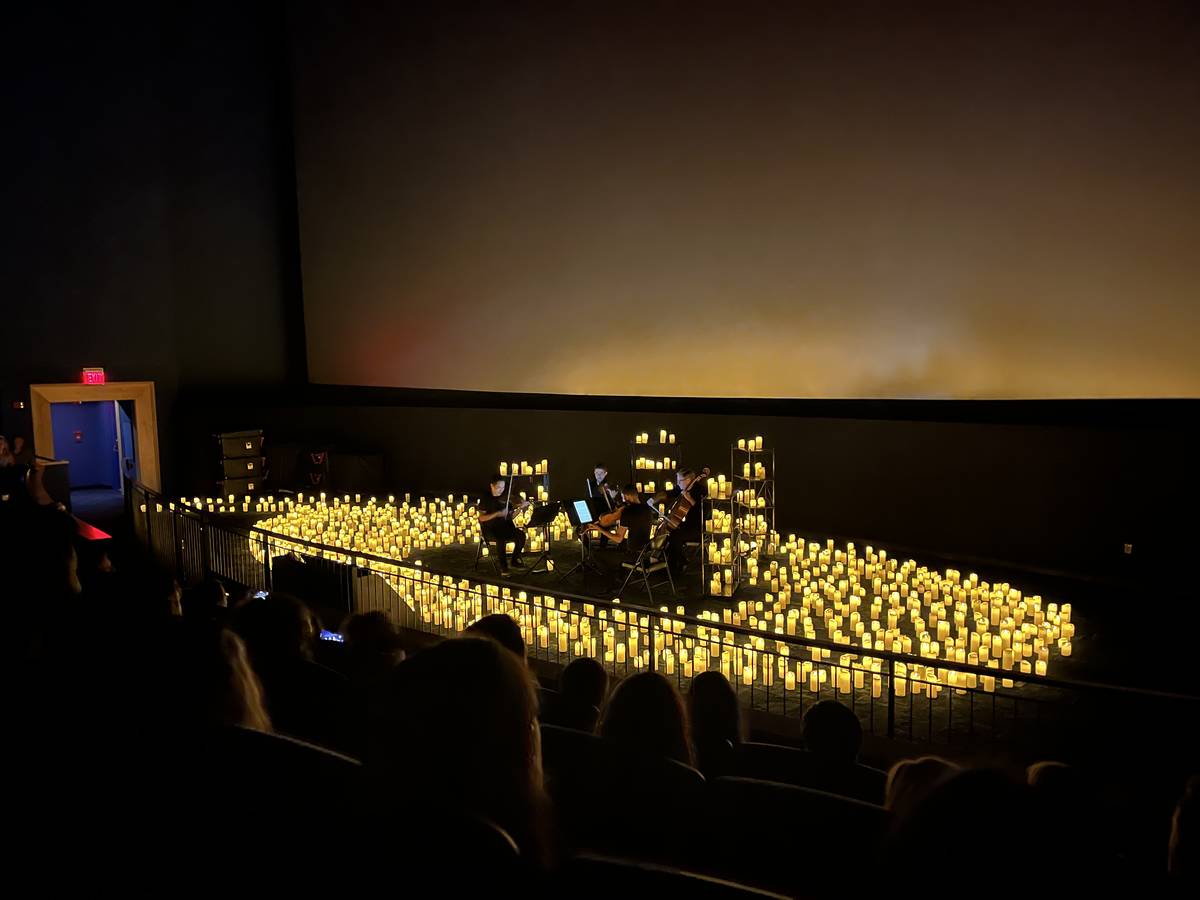
Hear me out. This one might sound a little unexpected. Tucked inside the Boston Aquarium, Simons Theatre hosts what we’d argue are some of the most immersive experiences in town. It’s the towering projections and cutting-edge sound system that give it its heavyweight status. While it’s primarily known for documentary screenings and educational programs, the space occasionally shifts into something a bit more atmospheric and an experimental stage where music is reinterpreted; sometimes through the lens of classical arrangements at intimate Candlelight concerts.
Old South Church
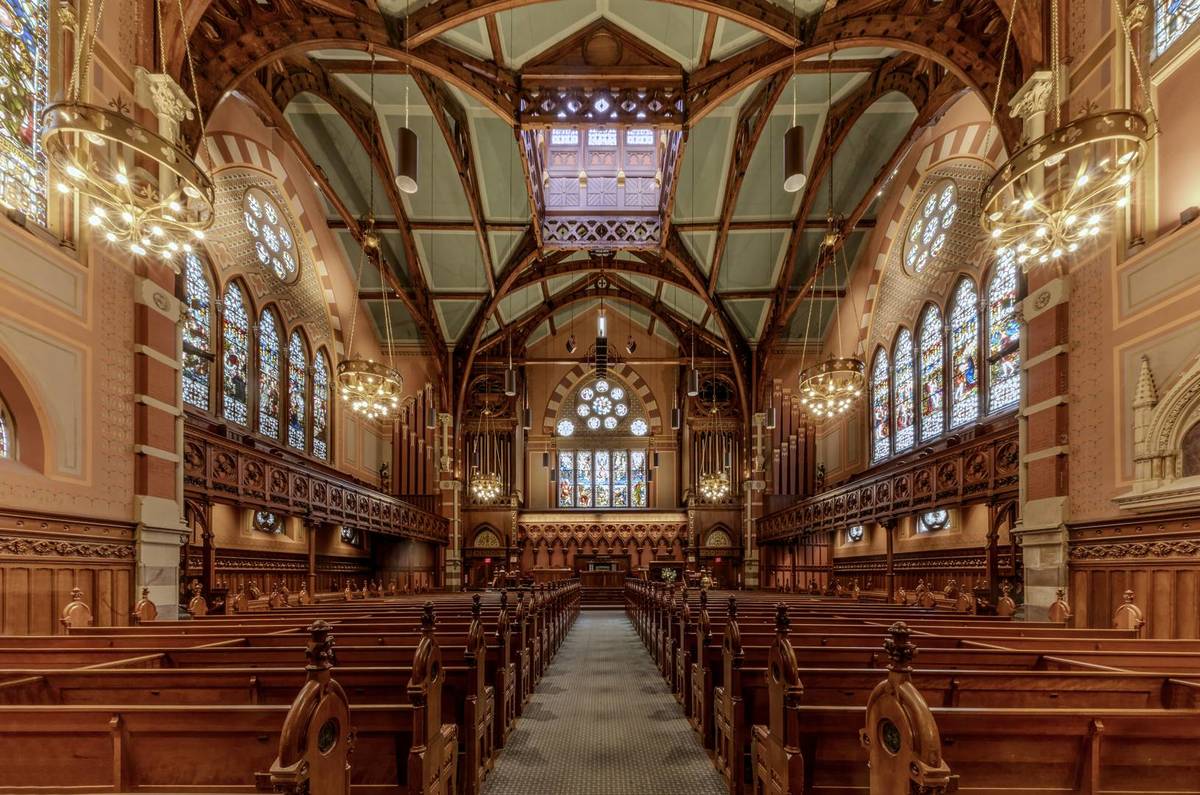
Old South Church may first catch your eye with its Gothic Revival stonework and stained glass windows, but step inside during a performance and it transforms entirely. Built in 1875, this historic church has become a space where acoustics rise to the occasion, creating a natural stage for sound. Though not a conventional concert hall, it regularly hosts classical recitals, organ concerts, and events that pay tribute to iconic artists through classical reinterpretation. But in Boston’s crowded constellation of venues, Old South Church offers something more intimate; a Candlelight concert reimagining modern music into classical performances.
The Huntington Theatre
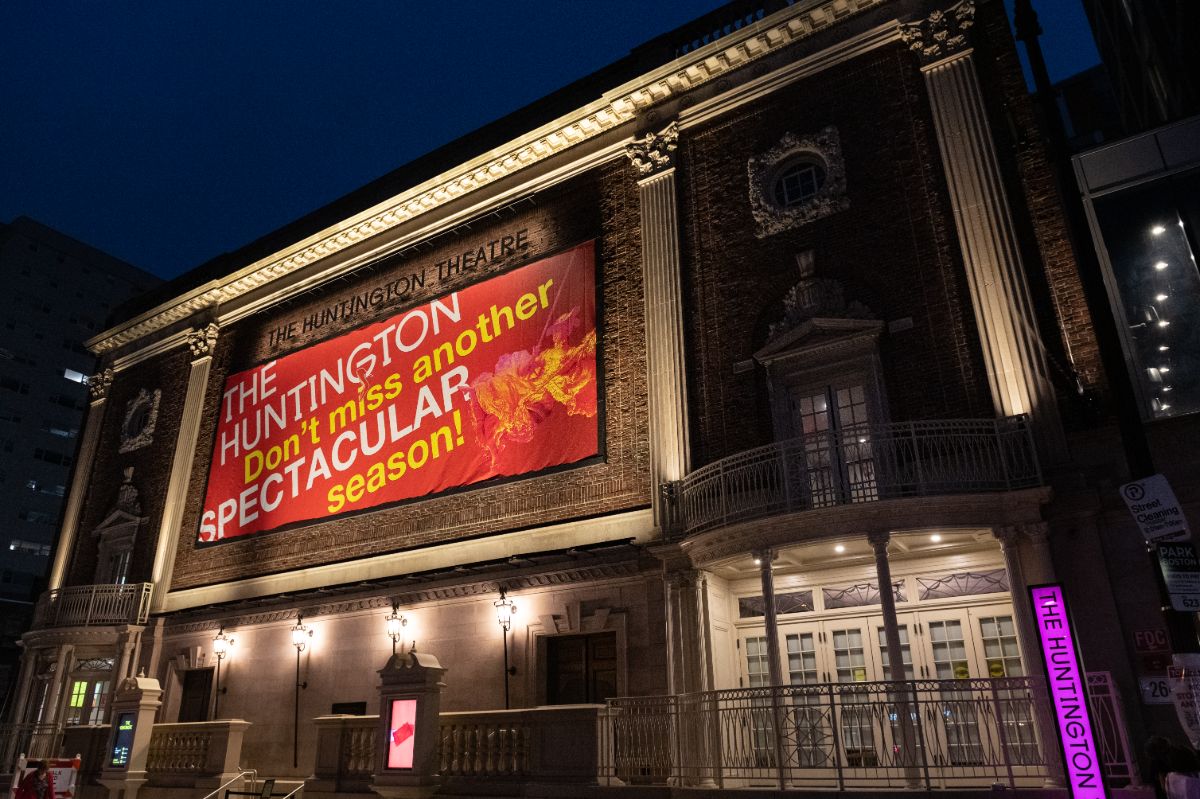
If Boston were to have a so-called Avenue of the Arts, the Huntington Theatre would blend in beautifully. A century of history lives within its walls, yet the space still washes over you with a refreshing sense of modernity. Whether you’re chasing a Tony Award, winning play or discovering a classical concert, The Huntington never fails to deliver. Its recent renovation has only enhanced its essence. Especially now that Candlelight concerts are filling the venue with classical tributes to some of our favorite artists.
Orchestras in Boston
Boston Symphony Orchestra
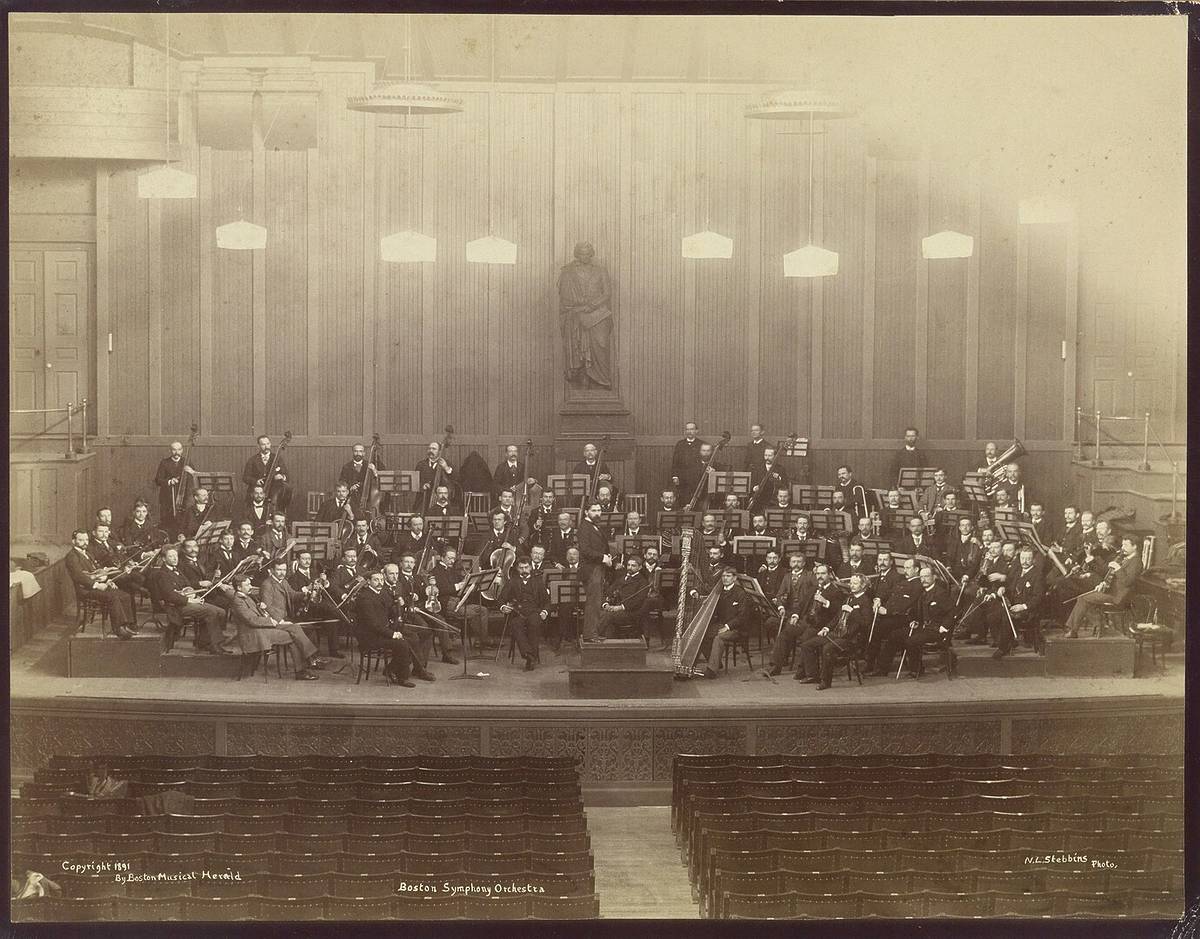
It’s rare to find something that’s lasted over a century and still feels completely alive. But classical music has a way of doing exactly that—rooted in tradition yet always in step with the present. Since 1881, the Boston Symphony Orchestra has embodied that endurance. Now based in Symphony Hall, the BSO continues to earn Grammy Awards and global recognition, keeping energy and legacy in beautiful balance.
Boston Pops
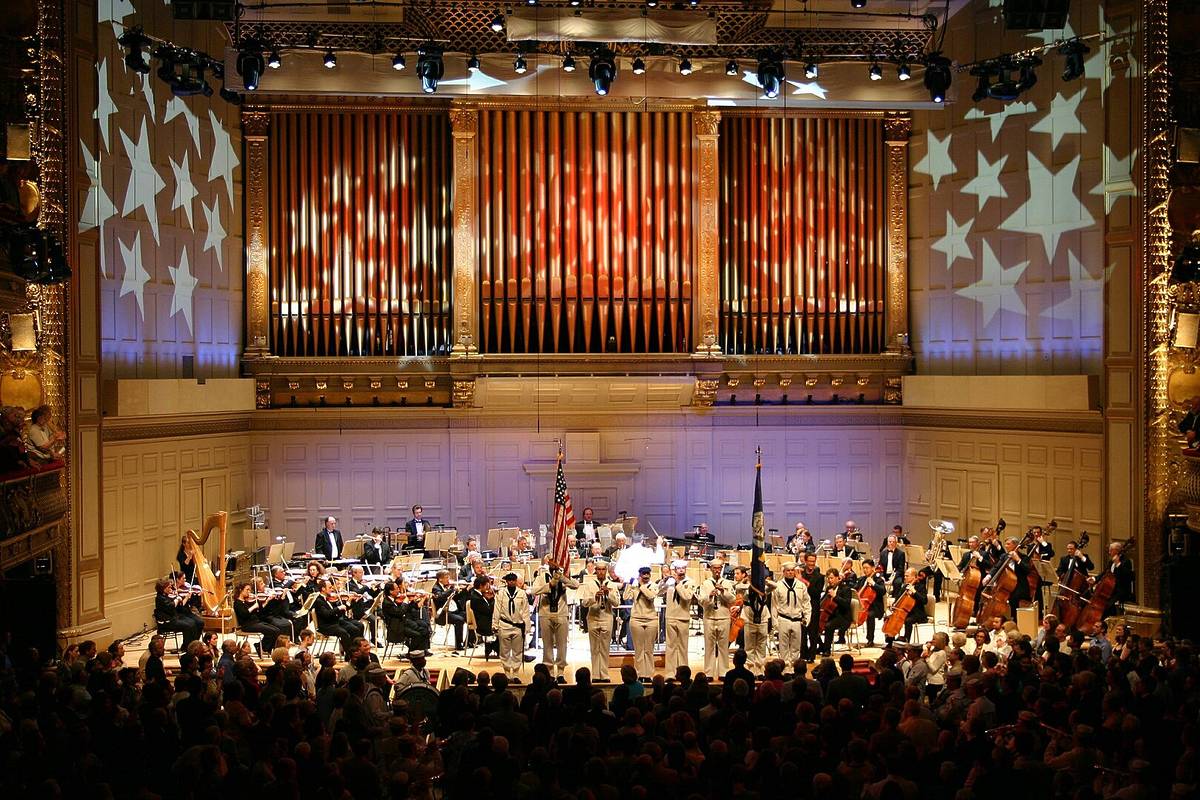
If the Boston Symphony Orchestra is the refined older sibling, the Boston Pops is its fun, adventurous younger one. Made up of many BSO musicians, the Pops mixes orchestral flair with Broadway hits, movie scores, and American classics – without losing any of the elegance classical music is known for. Based at Symphony Hall, the Pops keeps the genre feeling fresh and exciting.
Handel and Haydn Society
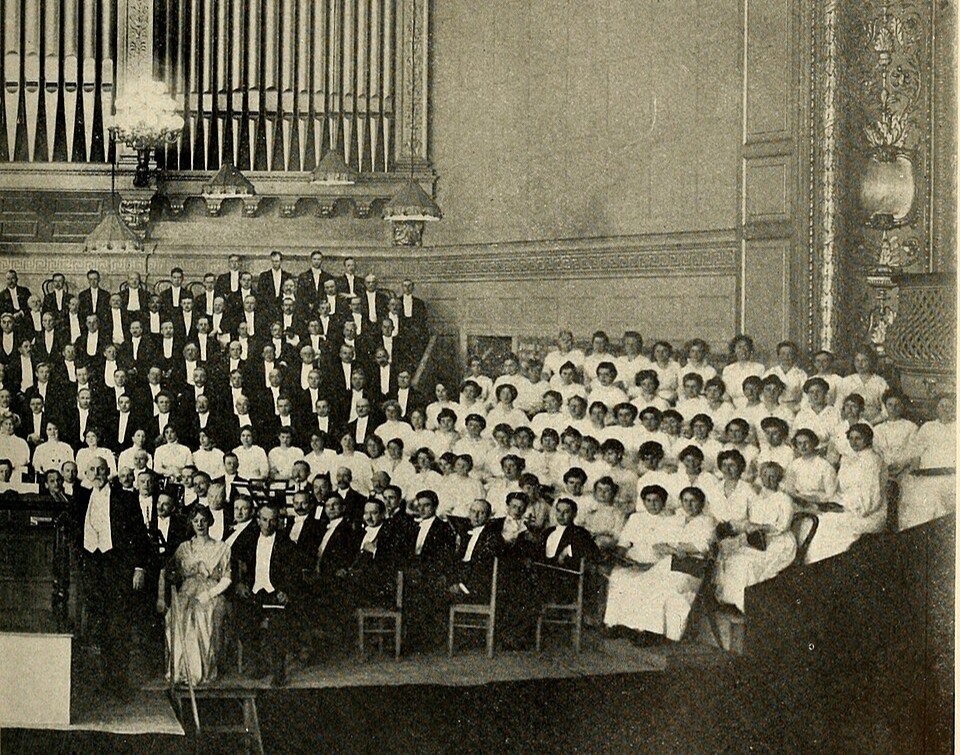
The Handel and Haydn Society has been part of Boston’s music scene since 1815, making it the oldest performing arts organization in the U.S. Known for historically informed performances, they bring Baroque and Classical music to life in a way that feels both fresh and faithful. Their concerts have a quiet brilliance. One that’s endured for over two centuries.
Boston Baroque
A bit younger than the rest, Boston Baroque was founded in 1973 as the first professional period-instrument orchestra in the U.S. Their specialty? Performing Baroque and early Classical masterpieces using historically accurate instruments. Known for these vivid, traditional interpretations, they breathe fresh life into centuries-old music.
Boston Philharmonic Orchestra
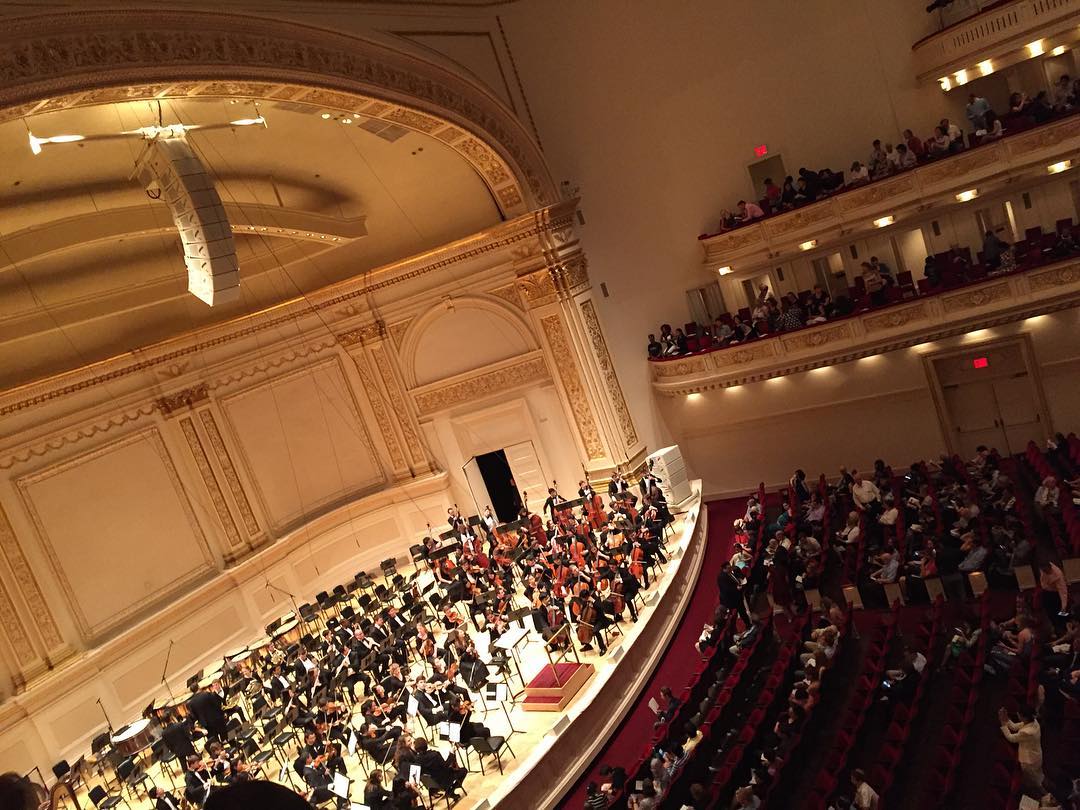
Unlike many orchestras, the Boston Philharmonic Orchestra thrives on mixing the familiar with the unexpected. This one was founded in 1979, known for certain programming that pair classical favorites with rarely heard contemporary works. Under conductor Benjamin Zander, the orchestra has made quite the name for themselves.
How can I get more involved in classical music in Boston?
Boston Symphony Orchestra Season
Running from September to May at the Symphony Hall venue. They host a variety of programs, talks and special events like “Casual Fridays”. If one is just looking to delve into some live shows, the line up on their website is always updated. For those wanting to get more involved, you can volunteer as an usher, join the educational programs or even attend open rehearsals.
Tanglewood Music Festival
Every summer, the Boston Symphony Orchestra brings music to the Berkshires at the iconic Tanglewood Music Festival. From late June through early September, audiences gather for concerts under the open sky, featuring everything from chamber music to full orchestras and film scores. To get more involved, you can volunteer or check out student and fellowship programs through the Tanglewood Music Center – a launching pad for tomorrow’s classical stars.
Boston Early Music Festival
As one of the leading celebrations of Renaissance Baroque, The Boston Early Music Festival is held every two years in June. Shaping itself through exclusivity, the festival brings period performers, opera productions, chamber concerts, lectures and more. This one is for fans and newcomers alike, and getting involved is easy – find their line up and events on their website.
Handel and Haydn Society Season
As the oldest arts organization in the country, the Handel and Haydn Society runs a busy season from October through May. Their lineup includes citywide concerts—with highlights like Handel’s Messiah in December and major works by Bach, Haydn, and Mozart. You can participate through open rehearsals, educational events, or check out their website for pre-concert talks that make early music more approachable for everyone.
Celebrity Series of Boston
Since 1938, the Celebrity Series of Boston has brought world-class performers to venues all over Boston and Cambridge. Running from October to May, the lineup mixes legendary names like Yo-Yo Ma or Wynton Marsalis with up-and-coming artists in classical, jazz, dance, and beyond. Whether you’re chasing your favorites or discovering something new, there’s always something unforgettable onstage.