The brush fires that began in Salem in late October are now a problem across the state of Massachusetts, with Lynn and Western Massachusetts fires raising much concern at the moment. Officials issued a “no open fire” warning in parts of the state, urging residents to avoid bonfires or any other open flames.
At least 85 fires have been reported since the start of the month. Brush fires—fires occurring in areas with vegetation at heights of 6 feet and under—happening along the Massachusetts coast are mainly concentrated along the North Shore and the western part of the state.
Recommended Articles
 A massive Christkindlmarkt takes over this town under 60 minutes from Boston—with German traditions, a cake table, and holiday lights
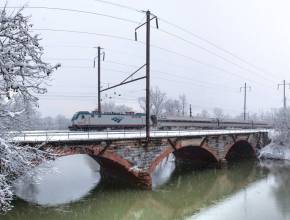 Amtrak rolls out $32 tickets between Boston and NYC for ‘Winter Wanderlust Sale’
Causes of Massachusetts brush fires
The fires are caused by unusually dry conditions in Greater Boston. In addition to the dry weather, which primes the areas for catching sparks, an overnight temperature inversion is also likely to blame for the brush fires that sparked in surrounding towns including Salem, Peabody, Lynn, and Stoughton.
Temperature Inversion explained

The temperature inversion, where warmer air hovers over cooler air, trapped the smoke near the ground, causing it to travel all the way to Boston and mark the air with a smoky smell.
Air quality considerations
The inversion also reduces visibility and air quality. Consider wearing a mask or reducing outdoor time if you notice a smoky smell in your neighborhood. Make sure to check your local air quality to know how the fires are impacting your neighborhood.
This is a developing story, check back for updates.